Every gardener should try growing plants from seed at least once; it’s a fun and comforting process. There is a sense of awe and satisfaction in the experience of seeing tiny seeds germinate and grow into robust plants. Germinating seeds, on the other hand, can be a delicate process that requires a lot of care and attention. This article will guide you through the process of growing seeds into healthy plants by exploring the key guidelines for effective seed germination and walking you through the steps of the process.
Gain Knowledge of the Seed Germination Process
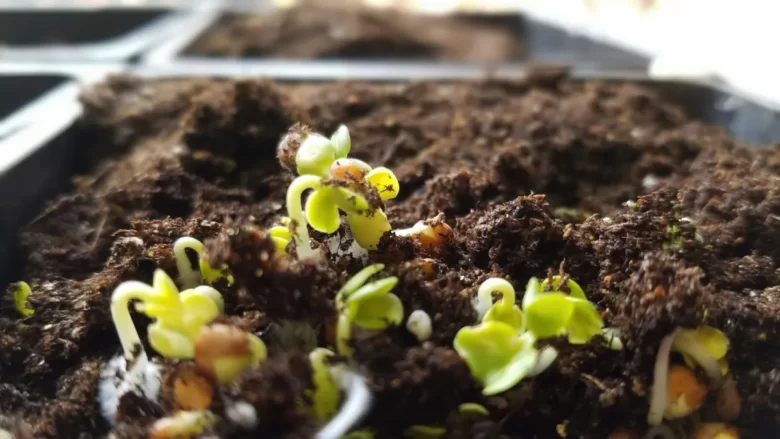
Germination is the process by which a seed develops into a seedling, ready to break through the soil and begin its journey to maturity. As it germinates, the seed absorbs water, causing it to expand and tear its protective outer shell. In doing so, it activates essential enzymes that are catalysts for growth and development.
1. Invest in Quality Seeds
Starting with quality seeds is crucial to a successful germination process. Buy seeds from a trusted supplier or collect seeds from plants that thrive in your own garden. Check if the seeds are old, viable or past their best before date.
2. Use Water Wisely
To germinate, the seeds need the right amount of moisture, but too much soaking can cause them to rot. Keep the soil at normal moisture levels and don’t let it get soggy. If you don’t want to disturb the fragile seeds, water them with a soft spray bottle or watering bucket.
3. The Optimum Temperature of the Soil
Soil temperature has a sweet spot for germination of any plant type. Some seeds grow better in warm soil, while others only grow in cooler temperatures. Monitor the temperature using a soil thermometer and adjust if necessary.
4. Provide Sufficient Light
While some seeds need to be kept in the dark to germinate, the vast majority of seeds need light to start the process. It is important to place the seed trays in a bright spot, but try to keep them out of direct sunlight to avoid overheating.
5. Using a Seed Starting Mix
A good seed starting mix contains the right proportions of nutrients and texture for successful seed germination. Because it is less dense than standard potting soil, even the weakest roots will have no trouble getting through.
6. Provide the Correct Planting Depth
When planting your seeds, make sure you plant them at the correct depth so that they get enough water and nutrients. When sowing, the sowing depth should be two to three times the diameter of the seed. This is a typical standard.
7. Consider Soaking the Seeds in Water First
Before sowing certain seeds, it is useful to soak them. You can start the germination process by soaking the seeds in water for a few hours or overnight to soften the outer shell and start the germination process.
8. Provide a Stable and Predictable Environment
Changes in temperature and humidity can be detrimental to the germination process of the seeds. By using a nursery heating mat and covering the seed trays with clear plastic or damp domes, you can maintain a consistent environment for your seedlings.
9. Be Patient and Avoid Distractions
Germination times vary greatly between different plant species. During the germination process it is important to be patient and not disturb the seeds or seedlings. Let the natural order take place.
10. Take Extra Care when Transplanting
Once the seeds have germinated and the first true leaves have developed, the plant is ready to be transplanted to a permanent location. Handle the seedlings with care and once they reach the right size, you can transplant them into larger containers or garden beds.
Conclusion:
Understanding the seed germination process is crucial to effective gardening, as it marks the beginning of a plant’s life cycle, similar to a mystical beginning. By following these recommendations and providing your plants with the right conditions to grow, you can ensure that your seeds germinate and grow into strong, healthy plants. Embrace the joys of caring for life from its earliest stages, sit back and watch your garden bloom with the delicacy and variety that nature has to offer.
FAQs:
1. What is the ideal temperature range for seed germination?
The ideal temperature range for seed germination varies by plant species. As a general guideline, most seeds germinate well in temperatures between 65°F and 85°F (18°C and 29°C).
2. Can I use regular garden soil to encourage seed germination?
Ordinary garden soil may not provide the best conditions for germinating seeds. A sterile seed starting mix is recommended to promote optimal hydration and aeration.
3. How long does it take for seeds to germinate?
Germination time varies with plant species and environmental conditions. Some seeds may germinate in a few days, while others may take several weeks.
4. What should I do if my seeds don’t germinate?
If your seeds fail to germinate, check environmental conditions, soil moisture and seed quality. Adjust conditions as needed and consider using fresh, vigorous seeds.
5. Should fertilizer be used during seed germination?
Fertilizers are usually not necessary during seed germination, as the seeds contain enough nutrients to support initial growth. Once the seedlings have developed true leaves, you can start using a diluted, balanced fertilizer.