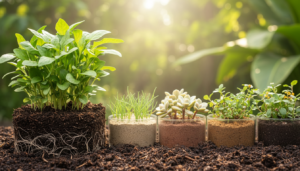
Welcome, fellow gardeners! Our green spaces face new tests from increasingly unpredictable conditions. Scorching summers and unexpected frosts can challenge even the toughest specimens.
Shifting climate patterns mean we must adapt our care routines. This guide is your partner in building a resilient outdoor space. It combines practical tips with the science behind why they work.
You will learn to spot early stress signals in your greenery. We will cover protective techniques for both heat and cold. The goal is long-term strength, not just quick fixes.
Your garden possesses a natural ability to bounce back. With the right knowledge, you can help it thrive through any season. Let’s explore how to create a robust and beautiful landscape.
Key Takeaways
- Climate shifts are creating more intense temperature swings.
- Proactive care is more effective than only reacting to problems.
- Learning to identify early signs of stress is a crucial skill.
- Practical strategies can shield your garden from heat and cold.
- Building long-term resilience helps your plants withstand challenges.
- This guide offers actionable steps for gardeners of all experience levels.
Understanding Extreme Weather and Its Effects on Your Garden
Let’s break down the science behind what happens to your greenery when the mercury soars or plummets. Knowing how your garden reacts is the first step to providing effective care.
Assessing Temperature Extremes and Their Impact on Plant Physiology
Intense heat forces greenery to lose water through their leaves very quickly. This process can outpace the roots’ ability to draw moisture from the ground. The result is dehydration stress, even if the soil feels damp.
On the flip side, a sudden freeze is just as dangerous. Ice crystals form inside cells, causing them to rupture. This leads to tissue death, especially in young, tender growth.
Recognizing Early Signs of Stress in Soil, Roots, and Leaves
Your garden sends clear signals when it’s struggling. Wilting leaves on a hot day is a natural defense. But if they don’t recover by evening, it points to a deeper issue with water or roots.
Pay close attention to the soil. Soggy, waterlogged earth can suffocate roots. They need oxygen to function. Without it, they begin to rot, causing above-ground symptoms like wilting and leaf drop.
Inspecting the roots themselves gives you the best clue. Look for discoloration or a mushy texture. These are strong indicators of damage. Catching these signs early gives you valuable time to act.
Techniques for Supporting Plant Health During Extreme Weather
Smart watering habits build a strong foundation for garden resilience. These methods help your greenery withstand both scorching days and unexpected chills.
Effective Irrigation and Water Conservation Practices
Morning is the perfect time for watering. Cooler temperatures mean less evaporation. This allows moisture to reach deep into the soil where roots need it most.
Different plants have unique needs. Established trees benefit from deep waterings 2-3 times weekly in hot conditions. Potted specimens often need attention more than once per day.
Drip systems and soaker hoses deliver water efficiently. They target the root zone directly. This approach minimizes runoff and maximizes absorption.
Using Mulch and Organic Amendments to Protect Soil
A thick layer of organic mulch works wonders. It keeps soil temperatures stable and retains valuable moisture. This protective blanket also suppresses weeds naturally.
Apply mulch correctly for best results:
- Create a 2-4 inch layer around your greenery
- Keep material several inches from stems
- Replenish as it breaks down over time
Mixing compost into your ground improves its structure. This amendment boosts nutrients and helps soils hold water better. Healthy earth creates tougher plants.
These techniques work together beautifully. Good soil retains moisture, mulch protects that soil, and proper irrigation completes the cycle. Your garden will thank you when temperatures spike or drop.
Practical Garden Care Strategies and Expert Tips
When forecasts predict challenging conditions, timely interventions protect your investment. These actionable approaches help your greenery withstand temperature swings.
Creating Shade and Adjusting Plant Placement During Heatwaves
Move potted specimens to shaded spots when intense heat arrives. Dark containers absorb warmth and can harm root systems. Be mindful of reflective heat from walls and paving.
Install temporary shade cloth over young, tender greenery. This simple barrier reduces sun exposure significantly. Mature trees and established specimens typically handle warmth better.
Protecting Plants Against Cold Snaps with Wraps and Barriers
Wrap vulnerable shrubs and trees in burlap or frost blankets. Secure the fabric tightly with twine to prevent wind damage. This shields branches from freezing temperatures and ice buildup.
Cover seedlings with garden fabric, cloches, or overturned buckets. Weigh down these barriers with rocks or bricks. Proper securing prevents covers from blowing away.
Planning Long-Term Landscape Adjustments and Irrigation Systems
Consider installing drip irrigation for consistent watering. These systems deliver moisture directly to root zones. They’re especially valuable during dry, hot periods.
Choose varieties suited to your local climate patterns. Healthy, well-established greenery naturally resists temperature stress. Year-round care builds this resilience effectively.
Conclusion
Building a garden that thrives through seasonal challenges is an achievable goal. By combining knowledge of greenery needs with practical gardening tips, you create lasting resilience.
Your outdoor space benefits from layered protection. Good soil care, proper watering, and strategic shade work together. Even small changes make a big difference when temperatures shift.
Remember that your garden is part of a larger ecosystem. The practices you implement help both your greenery and the environment. Each season brings new opportunities to learn and adapt.
While we cannot control the sun or weather, we can respond thoughtfully. Your efforts ensure a beautiful, productive landscape year-round. Keep observing, adjusting, and enjoying the journey.