As the chill of winter fades, a sense of renewal fills the air. Your outdoor space is waking up, ready for the spring season. This is a special time for anyone who loves their garden.
After months of cold, your plants need gentle care. A rushed approach can harm delicate new growth. The goal is to help them bounce back strong, not shock them.
This guide shows you how to revive your landscape thoughtfully. You will learn to assess winter’s impact and support healthy development. Proper care now leads to a vibrant and thriving space all year long.
Even if things look a bit rough, don’t worry. With the right steps, you can create a beautiful, resilient environment. Let’s begin this rewarding journey into spring gardening.
Key Takeaways
- Spring is a critical time for gently reviving your garden after winter.
- A careful approach prevents damage to vulnerable plants and new growth.
- Proper timing is essential; wait for stable temperatures and signs of life.
- This year’s preparation sets a strong foundation for future seasons.
- A thoughtful cleanup results in a healthier, more beautiful landscape.
Understanding Winter’s Impact on Your Garden
Your outdoor space emerges from the cold season with a story to tell. The effects of winter weather can vary greatly. A gentle inspection helps you understand what your landscape needs to thrive.
Look closely at your plants and soil. This careful look prevents hasty actions that could harm recovering growth.
Assessing Winter Damage and Identifying Problem Areas
Start with a slow walk around your yard. Take notes or pictures of what you see. This helps you plan your tasks effectively.
Look for clear signs of trouble. Broken branches from heavy snow are common. Check for frost damage on evergreen leaves, which may appear brown.
Heaving is another issue. This is when plants get pushed out of the ground by freezing and thawing cycles. Gently press them back into place.
Recognizing the Effects on Garden Beds, Trees, and Shrubs
Different areas need specific checks. For your lawn, watch for fuzzy white or pink snow mold. This fungus can hurt grass if not addressed.
Examine your trees and shrubs carefully. Look for branches that are cracked or rubbing together. These can invite disease.
It’s crucial to tell the difference between dead and dormant plants. Some may look lifeless but are simply sleeping. Wait for consistent warmth before deciding to remove anything.
Also, check for hidden pests and early disease. Look under leaves and in bark crevices. Spots or mildew can signal a problem that needs attention.
- Broken or split branches
- Frostburn on evergreens
- Soil compaction and water pooling
- Bare spots needing reseeding
Post-Winter Garden Cleanup Best Practices for a Healthy Start
The transition from cold months to spring brings opportunities to set the stage for a flourishing landscape. Proper timing and gentle methods make all the difference for your plants’ recovery.
Removing Debris and Cleaning Up Fallen Leaves
Begin by carefully clearing winter accumulation. Gently rake away twigs and matted leaves that can trap moisture. This improves air circulation around emerging growth.
Wait until temperatures stay consistently above freezing before starting your cleanup. Look for clear signs of new life before removing protective layers. Sort materials as you work.
Healthy leaves make excellent compost or mulch for your beds. Diseased material should go in the trash to prevent problems later.
Restoring and Preparing Garden Beds for New Growth
Methodically work through each planting area section by section. Remove dead annuals from last fall, including their roots. This prevents pest eggs from hatching.
Watch carefully for early sprouts while clearing old plant material. Refresh bed edges to create clean lines that keep grass from creeping in. This gives your space a polished look.
Gently loosen the top layer of soil with a rake. Be careful not to damage established roots. Now is the perfect time to plan where you’ll add new plants this season.
Pruning, Mulching, and Preventing Weed Growth
With spring’s arrival, your landscape needs careful shaping and protection. These next steps help direct energy toward healthy development while minimizing future problems.
Effective Pruning Techniques to Remove Damaged Branches
Start by inspecting your trees and shrubs for winter damage. Use sharp, clean tools to make precise cuts. This prevents tearing and reduces disease risk.
Focus on removing dead or broken branches first. Cut just above healthy buds facing outward. This encourages proper shape and better air flow.
For your perennials, trim back dried stems to fresh growth points. Some plants benefit from division if they’ve become too crowded.
- Always sterilize cutting tools between plants
- Remove crossing branches that rub together
- Cut at a slight angle to shed water
- Avoid removing more than one-third of growth
Mulching Methods for Soil Moisture Retention and Weed Control
A proper layer of mulch offers multiple benefits. It conserves water and suppresses unwanted growth. Choose materials that suit your planting areas.
Apply two to three inches around plants, keeping it away from stems. This depth blocks light from reaching weed seeds. It also maintains even soil temperature.
Organic options like wood chips improve soil as they break down. They create a barrier that makes weeding easier throughout the season.
Pull emerging weeds when the soil is moist. Remove the entire root system to prevent regrowth. Early attention saves effort later.
Revitalizing Soil Health and Enhancing Plant Growth
The foundation of any thriving landscape begins beneath the surface with healthy, nutrient-rich soil. After addressing visible winter damage, your focus should shift to this crucial element. Proper soil care ensures your plants receive what they need for vigorous growth.
Soil Testing, Nutrient Additions, and Organic Amendments
Start by understanding your soil’s current condition. A simple test reveals pH levels and nutrient deficiencies. You can use home kits or send samples to local extension services.
Based on results, make targeted amendments. Add lime for acidic soil or sulfur for alkaline conditions. Organic matter like compost improves soil structure dramatically. It enhances water retention and provides essential nutrients.
If your lawn feels dense or spongy, consider aeration. This process creates small holes that allow air, water, and nutrients to reach grass roots. It’s especially helpful for compacted areas.
Feeding Your Lawn and Garden with Eco-Friendly Fertilizers
Once your soil is prepared, choose fertilizers wisely. Organic options release nutrients slowly, reducing chemical runoff. They support long-term soil health and beneficial microorganisms.
Different areas need specific formulas:
- Nitrogen-rich blends promote lush lawn growth
- Balanced organic mixes work well for vegetables
- Specialized formulas suit flowering plants
Wait until soil warms and plants show active growth before fertilizing. This timing ensures nutrients are available when your landscape needs them most.
Seasonal Care: Tools, Tips, and Protective Measures
As the growing season gets underway, a little preparation with your equipment and a watchful eye on the forecast can make a huge difference. This final stage of preparation ensures you’re ready to support your landscape through its most active time of the year.
Maintaining and Sharpening Garden Tools for Optimal Performance
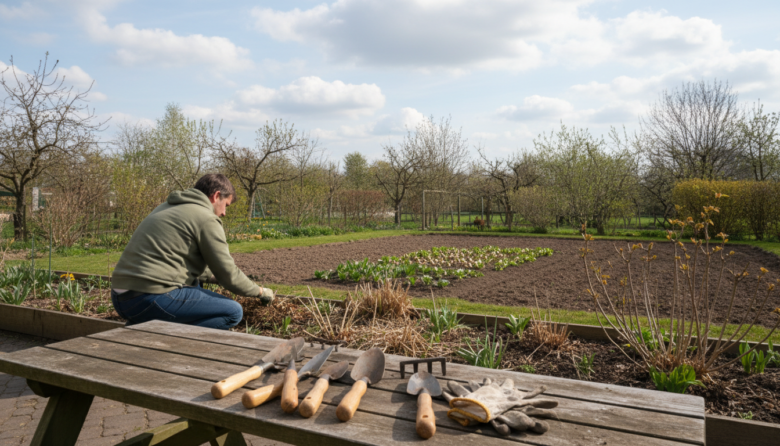
Your tools are essential partners in your gardening work. Start by giving them a thorough cleaning to remove dirt and sap. A sharp blade is crucial for plant health.
Sharp tools make clean cuts that heal quickly. This reduces the risk of disease. Use a file to sharpen pruners and loppers.
Don’t forget to oil metal parts to prevent rust. Tighten any loose handles and organize your storage area. Well-maintained tools save you time and effort throughout the spring.
Protecting Sensitive Plants and Preparing for Variable Weather
Spring weather can be unpredictable. Late frosts can damage tender new growth. It’s important to know which of your plants are most vulnerable.
Keep protective covers like burlap or frost cloth handy. These materials allow air to circulate while providing insulation. Never use plastic, as it can trap harmful heat.
Monitor local forecasts closely. Be prepared to cover plants when temperatures are predicted to dip below freezing. Smart watering is also key during this season.
Spring rains often provide enough moisture. During dry spells, water deeply to encourage strong roots. Watch for early signs of pests as temperatures warm.
Conclusion
Your thoughtful approach to seasonal care creates a strong foundation for months of beauty and growth. The gentle methods you’ve applied protect delicate new shoots while encouraging robust development.
This investment in your landscape’s health pays off with vibrant displays and productive harvests. Healthy soil supports strong roots, while proper spacing allows air to circulate, reducing disease risk. Early attention to emerging weeds prevents larger problems later.
Your lawn will green up beautifully, and vegetable beds will produce abundantly. Flowering shrubs and perennials will reward your care with stunning blooms. Each element works together to create a thriving ecosystem.
Remember that successful plant care is an ongoing conversation with your outdoor space. Adapt these methods to your specific conditions and watch how your efforts transform the area. The satisfaction of seeing new life flourish makes every moment worthwhile.