To thrive and reach their full potential, plants, like humans, must meet their nutritional needs to stay healthy. Even if the soil provides some essential nutrients, it may not always be enough to ensure plants grow to their full potential. Adding fertilizer to the soil enriches it with more nutrients, resulting in healthier plants and a more productive harvest. In this article, we take a look at the world of fertilizers, discuss the different types of fertilizers currently on the market, and understand how to manage the complexities of feeding our green companions.
Gain Knowledge of Plant Nutrition
Nitrogen (N), phosphorus (P) and potassium (K) are three essential nutrients that plants need for healthy growth. Fertilizer labels often express these nutrients in a ratio called NPK. For certain physiological processes, plants need a variety of micronutrients in addition to these macronutrients. Some examples of these micronutrients are iron, zinc and magnesium.
1. Different Forms that Fertilizers
There are many types of fertilizers available, each with a specific function, including:
Organic Fertilizer: Organic fertilizers are fertilizers produced from natural sources such as compost, manure or plant residues. They release nutrients as they decompose, providing the plant with a steady supply of nutrients.
Inorganic Fertilizers: They are formulated with specific nutrient ratios to provide plants with nutrients quickly. They are also known as synthetic fertilizers or chemical fertilizers.
Liquid Fertilizer: These fertilizers come in concentrated liquid form, are easy to apply and are quickly absorbed by plants through their roots or leaves.
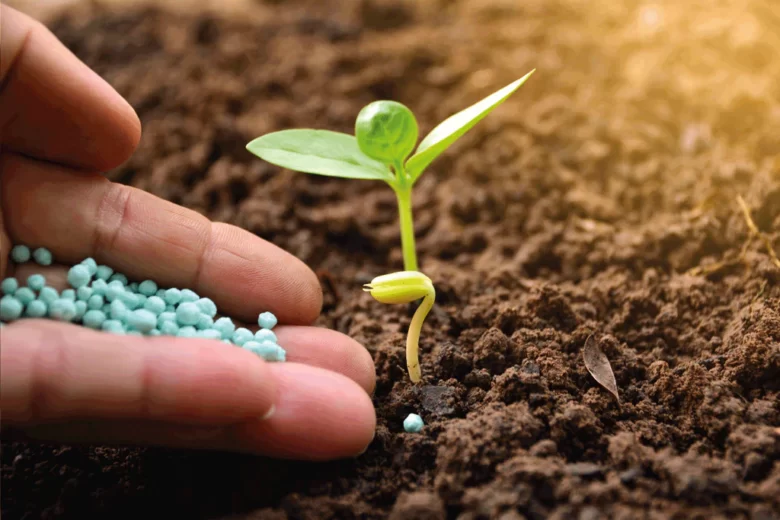
Granular Fertilizers: These fertilizers have a granular consistency and are effortless to apply. Over time, they gradually release nutrients, ensuring a steady supply of the plants they feed.
2. Adjust the Fertilizers to the Needs of the Plant
The nutritional needs of individual plants can vary greatly during the many stages of growth. Do some research on the specific nutritional needs of your plants so you can choose the right fertilizer with the right ratio of NPK.
3. Understand the NPK Ratio
The nitrogen, phosphorus and potassium (NPK) ratios listed on the fertilizer packages indicate the relative amounts of these three elements. For example, a 10-20-10 NPK fertilizer contains 10% nitrogen, 20% phosphorus and 10% potassium in its composition.
4. Slow Release Fertilizer
Delayed-release or extended-release formulation fertilizers are substances that slowly release nutrients to the soil around plants over an extended period of time. They are perfect for the busy gardener who likes to feed plants for months with a single application.
5. Compost for Organic Nutrients
The composting process of food scraps and garden waste produces a nutrient-rich organic compost that can be used as a natural fertilizer. This process adds various nutrients to the soil.
6. Try to Avoid Excessive Soil Fertilization
Over-fertilization can cause imbalances in plant nutrient levels and can also damage the plant’s root system. Be sure to follow the manufacturer’s directions and try not to apply more fertilizer than recommended.
7. Fertilize According to the Season
Your fertilization schedule should be adjusted to the changing seasons and the different stages of development your plants go through. During the rest period, most plants have less need for nutrients and therefore need less fertilizer.
8. Provide Nutritious Food for Houseplants
Fertilization is also critical to the health of houseplants. Choose a fertilizer made specifically for houseplants and be sure to stick to a consistent fertilizing schedule.
9. Fertilization Technology
Fertilizer application can be done in a number of different ways, such as top dressing, side or foliar application. Choose according to the requirements of the factory and the current level of development.
10. Alternatives to Fertilizers that are Less Harmful to the Environment
If you want to nourish your plants while minimizing your environmental impact, you should research eco-friendly and sustainable fertilizers like fish milk, compost tea, and seaweed extract.
Conclusion:
Knowing how to use different types of fertilizers is an important part of a successful garden. You can start by determining the nutritional needs of your plants and then choose the right type of fertilizer and specific formulation to ensure your plants are getting all the essential nutrients they need to thrive. With proper fertilization, your garden will flourish and provide you with an outdoor oasis that is lush, bountiful and beautiful.
FAQs:
1. Can I use a universal fertilizer for all my plants?
While all-purpose fertilizers are suitable for a wide variety of plants, it’s best to choose a fertilizer with a specific NPK ratio based on the needs of each plant type.
2. How often should I fertilize my garden?
Fertilization frequency depends on the growth stage of the plant and the type of fertilizer used. As a general guideline, fertilize every 4-6 weeks during the growing season.
3. Are there natural alternatives to fertilizers?
Yes, many natural alternatives, such as compost, compost tea and organic fertilizers, provide plants with valuable nutrients without the use of synthetic chemicals.
4. Can I make my own fertilizer at home?
Yes, you can make your own compost at home by recycling kitchen waste and yard waste. Compost provides your plants with rich organic nutrients.
5. What should I do if my plants show signs of a nutrient deficiency?
If your plants show signs of nutrient deficiency, such as yellowing leaves or stunted growth, consider fertilizing with a balanced fertilizer and adjusting your fertilization schedule.