Shady spots in your yard offer a cool retreat, but they also create a perfect home for unwanted green and black growth. Even durable surfaces like porcelain pavers can fall victim to nature’s persistent patterns.
Several outdoor conditions team up to encourage this issue. Lack of sunlight, constant moisture, and fallen leaves work together. This affects both the look and safety of your outdoor spaces.
Keeping these growths at bay is about more than just good looks. It’s crucial for maintaining slip-free surfaces you can enjoy all year long. While stopping it completely might not be possible, smart habits make a huge difference.
This guide will walk you through the causes and solutions. We’ll cover environmental factors, simple prevention tips, effective cleaning methods, and long-term care. With a few proactive steps, you can keep your spaces beautiful and worry-free.
Key Takeaways
- Shaded, moist areas are prime spots for mold and algae to develop.
- This growth impacts both the appearance and safety of your outdoor surfaces.
- Complete prevention is difficult, but management is highly achievable.
- Simple, regular maintenance can dramatically reduce problems.
- Understanding the causes is the first step toward effective control.
- Proactive care leads to a more enjoyable and usable outdoor space.
Introduction: Understanding the Challenge in Shaded Garden Spaces
While shaded areas provide relief from the sun, they also create ideal habitats for nature’s stubborn colonizers. Recognizing what you’re dealing with is the first step toward effective management.
Overview of Mold, Algae, and Their Impact
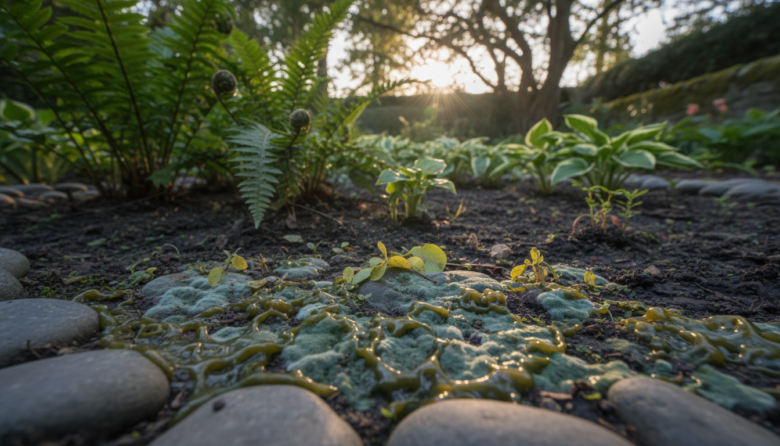
These organisms have distinct appearances that help with identification. Mold typically shows up as fuzzy patches in white or gray shades. Algae presents as a green, slimy film on surfaces.
The development of mold occurs through microscopic spores that settle on damp surfaces. They thrive in moist conditions without needing direct sunlight. This makes shaded spots particularly vulnerable over time.
The presence of these growths creates more than just visual issues. Slippery surfaces become genuine safety concerns for family and guests. What starts as a small problem can spread quickly in the right environment.
The Importance of a Proactive Approach
Regular attention prevents the conditions that allow spores to settle and algae to take hold. Early intervention is far easier than dealing with established colonies.
Complete elimination may be impossible in constantly moist environments. However, consistent maintenance dramatically reduces problems. It keeps your outdoor spaces both safe and attractive throughout the year.
By understanding these fundamental differences, homeowners can tailor their strategies. This knowledge helps address specific conditions in unique landscape settings effectively.
Environmental Factors That Encourage Growth
Understanding the specific factors at play in your landscape is key to managing persistent surface issues. The local environment creates the perfect recipe for certain organisms to flourish.
The Role of Shade, Moisture, and Humidity
Constant shade is a major contributor. It blocks essential sunlight, which normally dries surfaces quickly. This allows moisture from rain or dew to linger for hours or even days.
High humidity adds to the problem. It saturates the air, slowing evaporation. These damp conditions are where algae thrive.
Even a small amount of water can become a problem without adequate light exposure. This combination creates a non-stop cycle that encourages algae growth.
Weather Patterns and Local Climate Effects
Your regional climate plays a huge role. Homeowners in rainy, coastal areas face a greater challenge than those in arid climates.
Seasonal shifts also matter. Spring and fall often bring cooler temperatures and higher humidity. These seasons can see a rapid increase in both mold and algae.
Key local factors include:
- Average rainfall and frequency
- Typical morning dew levels
- Seasonal changes in sunlight intensity
By assessing these elements, you can better predict and address potential issues in your shaded garden spaces.
Proper Drainage and Air Circulation Strategies
The secret to a low-maintenance, clean outdoor space lies in managing two simple elements: water and air. By focusing on these, you create an environment that is naturally resilient.
Good design ensures moisture moves away quickly and surfaces dry thoroughly. This dual approach is your best defense.
Designing for Optimal Water Runoff
Effective drainage is the cornerstone of keeping surfaces dry. The goal is to prevent standing water from ever having a chance to pool.
When installing hardscapes like pavers, a slight slope is crucial. This grade guides water away from the surface naturally. It stops puddles from forming after rain.
Professional installers assess soil conditions and layout to get this right. DIY projects often miss these details, leading to future drainage headaches.
Enhancing Airflow for Faster Drying
Good air circulation works hand-in-hand with drainage. Moving air speeds up evaporation from damp surfaces.
Leaving adequate space between pavers and other landscape features is key. This spacing allows air to flow freely across the surface.
This enhanced circulation cuts drying time significantly. It disrupts the stagnant, humid conditions that organisms love.
Key strategies to improve airflow include:
- Spacing pavers correctly during installation
- Trimming back dense plants near paved areas
- Avoiding placing large objects too close together
Together, smart drainage and ample air circulation create a powerful one-two punch. They make it very difficult for problems to take hold, even in challenging spots.
Routine Cleaning and Maintenance Best Practices
Simple, regular upkeep prevents small issues from becoming major headaches in your landscape. Establishing consistent habits keeps surfaces clean and safe year-round.
Daily and Seasonal Cleaning Techniques
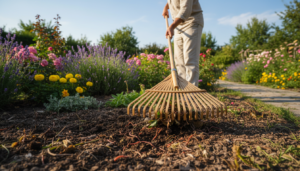
Regular sweeping is the simplest way to stop unwanted growth before it starts. Leaves, soil, and organic debris trap moisture if left unattended.
Create a schedule that matches your space’s use patterns. High-traffic zones need daily attention. Moderate areas benefit from weekly care.
Seasonal deep cleaning addresses accumulated grime. Fall cleanup is especially important after leaf drop.
- Daily sweeping for patios and walkways
- Weekly rinsing with a garden hose
- Seasonal scrubbing with mild solutions
Low-Pressure Washing and Gentle Methods
Avoid aggressive cleaning like high-pressure washing. This method can damage grout and surface finishes over time.
Stick to gentle approaches that clear residue without harm. A soft-bristle brush works well for stubborn spots.
For routine upkeep, mix mild detergent with warm water. This combination removes dirt and organic buildup effectively.
When growth appears, use flat tools to scrape gently. This technique removes problems without creating surface damage.
Choosing the Right Materials and Sealants
When planning your landscape hardscaping, the selection of appropriate materials is fundamental to long-term success. The right choice can significantly reduce maintenance demands while improving safety and appearance.
Benefits of Porcelain Over Natural Stone
Porcelain pavers feature a dense, non-porous surface that resists water absorption. This quality means moisture cannot easily penetrate the material’s structure.
This design gives unwanted growth far fewer places to anchor and spread. Organisms like mold and algae struggle to establish themselves on such resistant surfaces.
Natural stone presents a different challenge. Its porous nature naturally absorbs moisture deep into its structure. This creates ideal conditions where mold and algae can thrive.
Over time, porcelain maintains its clean appearance with minimal effort. Natural stone requires resealing every few years to prevent mold and algae from returning repeatedly.
Dirt and organic matter from soil wash away easily from porcelain’s smooth surface. Natural stone’s textured finish can trap debris from soil and leaves, encouraging persistent growth.
Effective Approaches for Preventing Mold and Algae in Garden Areas
A sustainable defense against persistent surface issues combines consistent habits with smart landscaping choices. This balanced approach creates routines that work effectively throughout the seasons.
The most reliable way to manage these challenges involves regular attention rather than occasional heavy cleaning. Light maintenance prevents major problems from developing over time.
Long-Term Maintenance Practices
Create a simple calendar that addresses different needs each season. Spring and fall require more frequent checks when conditions favor unwanted growth.
Regular inspections help catch small issues before they spread. Spot-cleaning minor problems takes minutes compared to hours of deep cleaning later.
This proactive approach saves both time and money throughout the year. It keeps your outdoor spaces consistently clean and safe.
Expert Tips for Managing High-Risk Areas
Identify spots where moisture tends to linger longest. These include corners with limited airflow and spaces under dense foliage.
Strategic tree trimming allows more sunlight to reach vulnerable surfaces. Better light penetration reduces the damp conditions that encourage mold algae growth.
For problematic zones, increase cleaning frequency during humid months. These simple adjustments make a significant difference in controlling mold algae development.
By implementing these practical tips, you establish sustainable routines. They effectively address challenges without becoming overwhelming maintenance tasks.
Managing Organic Matter and Surface Debris
Organic materials that fall onto your patio or walkway create more problems than just visual clutter. They act as both moisture traps and nutrient sources that accelerate unwanted growth when left unattended.
Leaves, mulch, and plant debris create microenvironments where moisture accumulates. This prevents proper evaporation and provides perfect conditions for colonization.
Techniques for Removing Leaves and Residue
Regular sweeping forms your first line of defense against accumulating organic matter. For larger spaces, leaf blowers offer efficient removal without disturbing the underlying surface.
Timing matters significantly when dealing with this debris. Clear materials promptly after storms or during peak leaf-fall seasons. This prevents organic matter from sitting long enough to trap significant water.
Different types of debris pose varying risks. Wet leaves are particularly problematic as they decompose quickly. They release nutrients while simultaneously blocking surface drying.
Adjust your cleaning approach based on your specific surfaces. Textured pavers might trap small particles requiring more attention. Smooth surfaces allow for easier debris removal with basic tools.
By maintaining vigilance about organic matter accumulation, you eliminate a major contributor to surface issues. This significantly reduces the frequency of more intensive cleaning interventions.
Special Considerations for Shaded Outdoor Spaces
Shaded outdoor spaces create unique microclimates that require special attention. These spots behave differently than sunny locations, even within the same yard.
Constant shade fundamentally alters surface conditions. Without sunlight’s evaporative power, moisture lingers much longer. This creates perfect breeding grounds for persistent growth.
Addressing Unique Moisture Challenges
Even in dry climates, shaded areas can develop significant problems. The local environment under trees or near structures stays damp while surrounding spaces dry quickly.
Identifying growth types helps target solutions effectively. Green surfaces typically indicate algae presence. Black or gray patches often signal different types of fungal development.
Strategic interventions make a big difference in challenging spots:
- Use light-colored or reflective surfaces to bounce available light into dark corners
- Improve drainage specifically in areas where water naturally accumulates
- Trim landscaping to allow more light penetration where possible
- Address standing water issues promptly after rainfall
Understanding whether shade comes from permanent structures or adjustable landscaping helps determine the best approach. Targeted solutions work better than generic methods for these high-risk spaces.
DIY Solutions and Natural Remedies
Household items from your pantry can become powerful allies in maintaining clean outdoor surfaces. These accessible approaches offer effective alternatives to commercial products.
Utilizing Vinegar and pH-Neutral Cleaners
A simple vinegar solution works wonders for stubborn surface issues. Mix one part vinegar with three parts water for an effective cleaning method.
This natural approach breaks down unwanted growth without harsh chemicals. Apply it carefully to avoid contact with grout or nearby plants.
For regular maintenance, pH-neutral cleaners provide gentle care. They lift dirt and light staining without damaging surfaces.
These products help control mold growth before it becomes established. They’re ideal for routine care that keeps surfaces looking fresh.
Landscaping Adjustments to Reduce Moisture Retention
Strategic changes to your landscape can dramatically improve conditions. Trim overhanging branches to allow more sunlight penetration.
This reduces the damp environment where algae thrive. Consider relocating moisture-loving plants away from paved areas.
Choose ground covers that don’t trap water near surfaces. Proper spacing between plants improves air circulation.
These adjustments address the root causes of excess moisture. They create conditions less favorable for persistent surface issues.
Conclusion
Effective management of outdoor surface challenges transforms potential problems into opportunities for creating more enjoyable spaces. While dealing with unwanted growth in shaded spots is common, the right combination of strategies makes it highly manageable.
The key takeaways focus on controlling moisture through proper drainage and maintaining good air circulation. Removing organic debris promptly and choosing appropriate materials like porcelain work together to minimize issues.
This approach doesn’t require excessive time or expensive solutions. Smart, regular attention to environmental factors makes the biggest difference. Even small changes like trimming plants for more light or improving surface drainage yield dramatic results.
Complete elimination may be unrealistic in heavily shaded environments. However, maintaining safe, attractive surfaces is absolutely achievable. You now have practical knowledge to implement methods that keep your spaces fresh and worry-free for years.