In today’s fast-paced world, where environmental issues are widely discussed, it is more important than ever to live in a way that is good for the planet. Composting and recycling in the garden is a sustainable practice that is becoming increasingly popular with homeowners. Not only does this green effort help reduce the amount of waste that ends up in landfills, but it also improves soil, helps plants grow and brings people closer to nature. In this article, we discuss the benefits and practices of composting and recycling in the home garden so that gardening enthusiasts can help the planet.
Why Composting and Recycling in the Garden is a Good Idea?
1. Reduce Waste and Keep it out of Landfills
Composting and recycling in your own gardens drastically reduces the amount of organic waste that ends up in landfills. Food scraps, yard waste and other biodegradable materials can be turned into nutrient-rich compost instead of throwing them into landfills and releasing dangerous greenhouse gases.
2. Add to Soil
For farmers, compost is often referred to as the “black gold” because it is so good for the soil. Compost supplies essential nutrients to the soil, improves its structure and improves water retention. It provides a good place for good microbes to live in, making the soil more fertile and plants growing better.
3. Fertilizer Without Chemicals
Composting in your own garden is a natural, organic alternative to commercial fertilizers, which can contain harmful chemicals. This ensures that no harmful chemicals are left on the food you grow in your garden. This makes eating safer and better for the environment as a whole.
4. Affordable Solution
Composting in your own garden is good for the planet and saves you money. Recycling kitchen and garden waste can save you money on fertilizers and reduce waste disposal costs. It’s a great deal for your wallet and the world.
How Do you Start Composting and Recycling in Your Own Garden?
1. Choose the Right Compost Bin
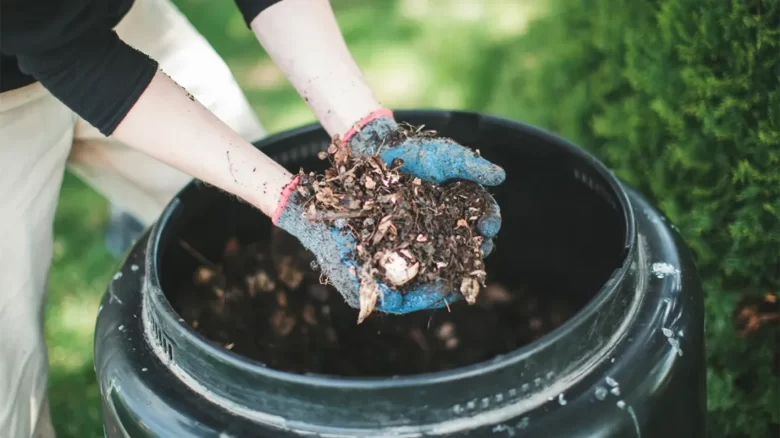
The first step is choosing a compost bin that fits your room and lifestyle. There are different types and shapes of compost bins, such as open compost bins, closed compost bins, roll compost bins and worm composting systems. Each product has its own advantages, so choose the one that suits your needs and space.
2. Collect Things that Can be Composted
You can compost a variety of organic materials, such as fruit and vegetable scraps, coffee grounds, eggshells, yard waste, and shredded paper. But don’t compost meat, dairy products, or pet feces, as these attract insects and may not break down properly.
3. Make a Pile of Compost
Layer the compostable stuff in the bin, rotating between green (rich in nitrogen) and brown (rich in carbon) stuff. Brown material is things like dried leaves, straw, and shredded paper. Green material refers to leftover food and fresh yard waste. This helps to keep the waste mountain in balance.
4. Turn the Compost Over and Leave it Alone
To speed up the recycling process, turn your compost pile regularly to let air into it. Keep the compost moist, but not soggy, and watch it warm up and grow. With time and proper care, you can use crumbly, rich compost in your garden.
Conclusion
Composting and recycling in your own garden are easy ways to help the world become more sustainable. By doing these things, farmers can reduce waste, improve the soil and improve the world. Harness the power of composting and recycling in your own garden and let your gardening skills lead the way to a greener, healthier future for all.
Frequently Asked Questions
1. What is home garden compost and why is it important?
Home garden composting is the process of recycling organic waste from kitchen scraps and garden trimmings to create nutrient-rich compost. It is important because it reduces waste sent to landfill, enriches the soil and promotes sustainable gardening.
2. How does composting benefit my garden?
Compost can benefit your garden in several ways. It enriches the soil with essential nutrients, improves soil structure, improves water retention and promotes a thriving ecosystem of beneficial microbes. This results in healthier plant growth and higher yields.
3. Can I compost all types of food waste?
You can compost all types of kitchen waste, such as vegetable and fruit scraps, coffee grounds and eggshells. However, avoid composting meat, dairy, and oily foods, as they can attract pests and slow down the composting process.
4. What materials should be avoided when composting?
Avoid compostable materials such as meat, bones, dairy products, pet feces, and diseased plants. These items attract pests, introduce harmful pathogens and may not break down properly in a home composting unit.
5. How do you start composting at home?
To start composting at home, choose the right compost bin, collect compostable materials such as kitchen scraps and garden decorations and place them in the compost bin along with a mixture of green and brown materials. Turn and maintain the compost regularly, keeping it moist but not too wet.