Do you dream of a beautiful outdoor space but feel you lack the hours needed to care for it? You are not alone. Many people want an attractive yard without it becoming a weekend-consuming chore. This guide is here to help.
Modern gardening has evolved. It’s no longer about constant, back-breaking labor. Today’s approaches focus on working with nature. The goal is to create a sustainable and manageable landscape.
The secret to reducing your workload starts with smart planning. Choosing the right plants and designing your space wisely from the beginning makes all the difference. This proactive thinking prevents problems later on.
We will explore practical methods that transform your relationship with your yard. These ideas turn gardening from a demanding task into a relaxing hobby. The result is an outdoor area that enhances your quality of life.
Key Takeaways
- Smart planning from the start is the key to reducing long-term yard work.
- Modern methods focus on sustainability and working in harmony with nature.
- The right plant choices can dramatically cut down on weekly upkeep.
- This approach turns yard care from a chore into an enjoyable activity.
- You can achieve a professionally landscaped look with minimal weekly effort.
- These strategies are ideal for busy families and professionals.
Embracing a Low-Maintenance Garden Philosophy
What if your outdoor space could thrive with minimal intervention while supporting local ecosystems? This approach represents a fundamental shift in how we think about our yards.
Instead of fighting against nature, sustainable gardening works with it. This philosophy creates landscapes that become more established and resilient over time.
Sustainable Gardening Principles
The core idea involves selecting plants that naturally thrive in your local conditions. By choosing species adapted to your climate and soil, you eliminate constant battles against nature.
Strategic placement is key. Position plants where their mature size and growth habits serve your design. This prevents overcrowding and reduces pruning needs.
This method creates a self-sustaining ecosystem that produces its own nutrients. Your landscape becomes a closed system that requires less external input each year.
The Benefits of Reduced Upkeep
The advantages extend far beyond time savings. You’ll dramatically cut water consumption and eliminate chemical treatments.
Your yard becomes a healthier habitat for pollinators and wildlife. The space transforms from a demanding chore into a rewarding retreat that grows more beautiful with age.
Choosing the Right Plants for Low Effort Garden Maintenance
Your plant choices determine whether your yard becomes a relaxing retreat or a constant project. Selecting vegetation that naturally thrives in your environment is the most critical step. This approach ensures your landscape develops into a self-sustaining ecosystem.
Native and Drought-Tolerant Varieties
Plants that evolved in your region handle local conditions better than imports. Native species are adapted to your specific soil and climate patterns. They typically need less water once established.
These plants demonstrate greater resistance to local pests and diseases. This eliminates the need for constant treatments. Consider hardy perennials like echinacea or sedum that return year after year.
Drought-tolerant varieties excel in dry climates. Succulents, lavender, and ornamental grasses thrive with minimal water. They withstand periods of neglect that would kill thirstier specimens.
Adapting to Regional Conditions
Research what actually grows well in your specific area. Don’t copy gardens from different climates that require completely different growing conditions. The key is understanding your local environment.
While native plants form an excellent foundation, don’t limit yourself exclusively to them. Many non-native plants from similar climate zones adapt beautifully. They perform just as reliably when matched with regional conditions.
Start with a foundation of reliable, well-adapted plants for your core plantings. Then add a few special varieties as accent pieces. This gives you both dependability and variety.
Smart Landscape Design: Reducing Lawn and Ground Cover Areas
Reducing your lawn area can be one of the most effective ways to reclaim your weekends. Traditional grass requires constant mowing, watering, and fertilizing. This consumes countless hours that could be spent enjoying your outdoor space.
Smart landscape design focuses on keeping grass only where you actually use it. Reserve lawn areas for children’s play spaces or entertaining zones. Replace unused grass with alternatives that demand less attention.
Alternatives to Traditional Grass Lawns
Consider clover lawns or native ground covers for green coverage with minimal mowing. These options provide attractive alternatives to thirsty grass varieties. They create a more diverse and interesting landscape design.
Around trees, create wide planting beds extending to the drip line. Use woodland plants that compete well with tree roots. This approach eliminates struggling to maintain grass in challenging areas.
Combine spring bulbs with drought-tolerant evergreen ground covers for year-round appeal. This creates self-sustaining plantings that need minimal intervention. Your yard transforms into an ecologically rich space with far less work.
Efficient Irrigation Techniques for a Low Effort Garden
Imagine never having to drag hoses around your yard again while ensuring your plants receive perfect hydration. Modern irrigation systems eliminate the guesswork from watering. They deliver precise amounts exactly where needed.
Installing Drip Irrigation Systems
Drip irrigation represents the most efficient watering method available. These systems deliver water directly to plant roots through small emitters. This approach minimizes evaporation and runoff.
The initial setup requires some investment, but the long-term benefits are substantial. You’ll save significant time while reducing water bills. Your plants will thrive with consistent moisture delivery.
Automating Your Watering Routine
Adding timers to your irrigation system creates true automation. Simple timer systems work perfectly for most situations. They ensure consistent watering even when you’re away.
Basic timers provide reliable functionality without complex programming. For those wanting advanced features, smart controllers offer weather-based adjustments. Both options eliminate the need to remember watering schedules.
Soaker hoses offer another effective solution. They slowly release water along their entire length. This ensures even soil moisture without waste.
Consider complementing your system with rain barrels. They collect free water from your roof. This eco-friendly approach reduces utility costs while conserving resources.
Using Mulch to Conserve Moisture and Prevent Weeds
What if one simple material could solve multiple gardening challenges at once? Mulch delivers exactly that kind of power. This versatile material ranks among the most effective tools for creating sustainable outdoor spaces.
Properly applied mulch provides three major benefits. It suppresses weed growth by blocking sunlight. It retains valuable soil moisture by reducing evaporation. It also moderates temperature fluctuations that stress plant roots.
Choosing the Right Mulching Materials
Organic materials work best for long-term soil health. Compost and well-rotted manure provide excellent nutrition as they break down. Wood chips and bark offer longer-lasting coverage and weed control.
Apply mulch around trees, shrubs, and perennial beds. Keep it pulled back from plant stems to prevent rot issues. A 2-3 inch layer works well for most situations.
For even better results, consider deeper applications. Some experienced gardeners use 4-6 inches annually. This approach virtually eliminates weeding while dramatically reducing watering needs.
Timing matters too. Apply mulch from fall through early spring when plants are dormant. Avoid mulching areas where you want plants to self-seed naturally.
Incorporating Hardscaping for Structure and Function
Permanent structures form the backbone of a truly manageable landscape. Features like patios, pathways, and retaining walls provide year-round definition to your outdoor space. These elements require almost no ongoing care compared to planted areas.
Well-planned hardscaping reduces the total square footage that needs regular attention. This smart approach to landscaping creates a structured environment that is both beautiful and practical.
Integrating these features offers significant advantages for your yard.
- Reduces upkeep by replacing high-care lawns and beds with durable surfaces.
- Adds functionality with clear pathways and comfortable seating areas.
- Solves challenges like steep slopes by creating level planting beds with retaining walls.
Designing Practical Pathways and Patios
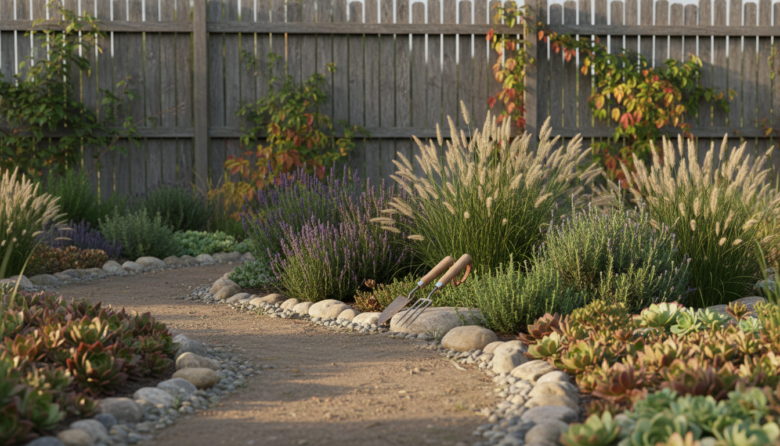
When planning paths, choose materials that last. Natural stone and concrete age gracefully with minimal fuss. Avoid wood or composites that need frequent refinishing.
Use deep layers of crushed gravel for excellent drainage and weed suppression. Steer clear of slippery pea gravel. Make main paths 6-8 feet wide for easy movement.
Secondary paths can be 4-5 feet wide. This generous design allows two people to walk together. It also makes room for wheelbarrows or strollers.
Add visual interest by setting pavers into gravel paths. Carve out wider spots to create sunny or shady seating nooks. This thoughtful design maximizes both beauty and use of your space.
Effective Low Effort Garden Maintenance Strategies
The secret to an effortlessly beautiful yard lies in thoughtful plant arrangement. Instead of scattering individual specimens throughout your space, create substantial groupings of the same variety. This approach yields dramatic visual impact with significantly reduced care requirements.
Mass plantings work smarter than single plants. They form dense colonies that naturally suppress weeds. You’ll spend far less time on weeding and other routine tasks.
Choose three to five reliable plant types rather than dozens of different varieties. Use multiple specimens of each to create bold visual statements. This simplifies your care routine tremendously.
Grouped arrangements make maintenance more efficient. You can water, fertilize, or mulch entire sections at once. This zone-based approach saves considerable time compared to tending scattered plants individually.
Select varieties that naturally spread or form colonies. These plants fill in spaces over time, creating lush coverage. They essentially care for themselves once established.
This method creates a professionally designed appearance with minimal ongoing work. You achieve maximum beauty while minimizing hands-on time. It’s the ultimate win-win for busy homeowners.
Grouping Plants by Water and Sunlight Needs
Have you ever noticed how some plants thrive while others struggle in the same bed? This often happens when vegetation with different requirements gets mixed together. Organizing your landscape by water and light preferences solves this common problem.
Mixing drought-tolerant and moisture-loving varieties creates constant challenges. Thirsty perennials wilt when underwatered, while dry-adapted plants develop root rot from excess moisture. Grouping similar plants together ensures each receives appropriate care.
Creating Efficient Irrigation Zones
Designate specific areas for high-water and low-water plants. Cluster moisture-loving varieties where irrigation delivers consistent hydration. Place drought-tolerant specimens in spaces that rely on natural rainfall.
This zoning approach makes watering straightforward and efficient. You can install automated systems for thirsty zones while leaving dry areas largely untouched. The result is healthier plants and significant time savings.
Create transition spaces between zones using plants with moderate water needs. These bridges accommodate gradual soil moisture changes while maintaining visual flow. Apply the same principle to sunlight conditions, grouping shade and sun lovers separately.
Aim for beds with about one-third evergreen plants for year-round structure. Include half native species for ecological resilience. Fill remaining spaces with adaptable varieties chosen for drought tolerance and extended beauty.
Efficient Tool Use and Maintenance Tricks
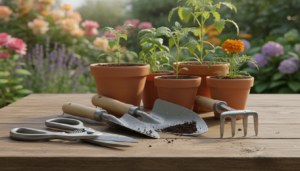
Quality tools are the unsung heroes of any successful outdoor space. The right equipment makes your work more effective and enjoyable. Smart choices here pay dividends throughout the year.
Investing in proper implements transforms your experience. You complete tasks faster and with less strain.
Essential Garden Tool Recommendations
Focus on ergonomic designs that reduce physical stress. Look for these key features:
- Padded grips that cushion your hands during extended use
- Lightweight materials that minimize arm and wrist fatigue
- Multi-function tools like trowel-diggers that serve dual purposes
A high-quality weeder deserves special attention. It lets you remove unwanted plants efficiently. This approach avoids excessive bending or chemical treatments.
Proper Tool Care for Longevity
Good maintenance extends your equipment’s life dramatically. Simple habits protect your investment.
Clean tools after each use to prevent rust. Wipe away dirt and moisture promptly. Sharp blades make cutting easier and reduce plant damage.
Store equipment in a dry, sheltered location. Hanging tools on wall racks keeps them organized. It also protects them from ground moisture and weather elements.
Apply boiled linseed oil at season’s end. This coating guards against winter moisture. Store hoses on reels to prevent kinks and cracks.
These simple care tips ensure your tools remain reliable for years. Proper maintenance saves you time and money long-term.
Time-Saving Tips for the Busy Gardener
Busy schedules don’t have to mean neglected outdoor spaces when you implement smart routines. The key is working smarter, not harder, with your available minutes.
Establishing a consistent schedule makes a huge difference. Dedicate specific time blocks, like weekend mornings or evenings, to your yard.
Quick Weekend Maintenance Tasks
Break larger jobs into manageable 15-minute sessions. Focus on high-impact activities that keep your space looking cared for.
Deadheading flowers and pulling visible weeds deliver immediate visual rewards. Watering container plants takes little time but maintains their health.
Keep tools organized in a portable caddy. This eliminates wasted trips to the shed and keeps you efficient.
Select plants that need minimal pruning. Compact shrubs and evergreens maintain their shape naturally.
For vegetation requiring cutting back, like roses, do this work in late winter. You can complete a year’s worth of pruning in one session.
Organizing Your Garden Workflow
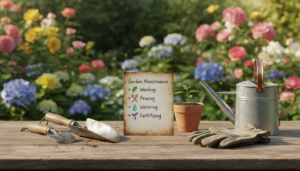
Group similar tasks together for maximum efficiency. Complete all weeding in one area before moving to fertilizing.
This zone-based approach is far more effective than trying to do everything at once. Choose self-cleaning plants like daylilies to reduce deadheading time.
These simple ideas help you maintain a beautiful landscape without overwhelming your schedule. Small, consistent efforts yield big results.
Conclusion
Transforming your outdoor area into a peaceful retreat is achievable with thoughtful planning. This comprehensive guide has demonstrated that beautiful landscaping doesn’t demand endless hours of work.
The key lies in making smart choices from the start. Selecting native plants, drought-tolerant perennials, and well-adapted trees establishes a strong foundation. Your landscape will thrive with minimal intervention year after year.
Strategic design reduces upkeep while enhancing beauty. Grouping plants by their needs creates efficient care zones. Proper mulching and irrigation systems work together to suppress weeds and conserve moisture.
Remember that these approaches create self-sustaining outdoor spaces. As your garden matures, it becomes more resilient and beautiful. You’ll enjoy more relaxation time in your enhanced living area.
Start implementing these ideas gradually. Focus on the techniques that address your biggest challenges first. Your outdoor space will transform from obligation into genuine enjoyment.