Keeping your greenery vibrant and strong starts with knowing what to watch for. Spotting trouble early makes all the difference between a quick fix and a major problem. This guide gives you the tools to protect your indoor and outdoor greenery.
Many gardeners face challenges with their foliage. Learning to identify the first symptoms is your best defense. Tiny spots, unusual discoloration, or wilting leaves often signal the beginning of an issue.
We’ll show you how to respond effectively when you notice these warning signs. Proactive care is much easier than treating advanced problems. Simple changes to your routine can create a healthier environment for your collection.
Whether you grow vegetables, flowers, or houseplants, these strategies work for all types of greenery. You’ll learn practical steps to maintain vigorous growth throughout the seasons.
Key Takeaways
- Early detection is crucial for successful plant health management
- Learn to recognize subtle symptoms before problems escalate
- Proactive measures are more effective than reactive treatments
- Simple environmental adjustments can prevent many issues
- These strategies work for both indoor and outdoor gardening
- Build confidence in maintaining healthy greenery year-round
Recognizing Early Symptoms in Your Plants
Your garden’s first line of defense begins with sharp observational skills. Catching a problem early often means the difference between a simple fix and a major loss. A consistent check-up routine for your plants is the most powerful tool you have.
Inspecting Leaves, Stems, and Roots
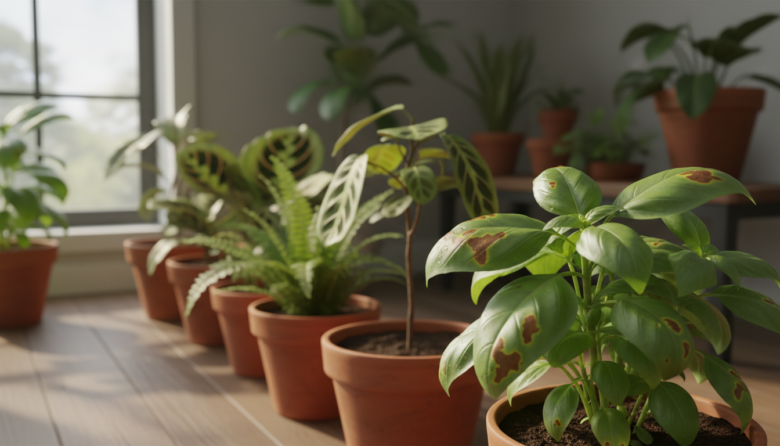
Start by looking closely at the leaves. Check both the top and bottom surfaces. You might see tiny spots, yellowing, or a strange powder.
Don’t forget the stems. Feel them for soft areas or look for odd colors. These can be signs of trouble moving inside the plant.
For the root system, gently check the soil. Healthy roots are firm and light in color. Dark, mushy roots signal a serious disease like rot.
Identifying Unusual Spots and Discoloration
Pay special attention to markings on the leaf surface. Early spots are often small and circular. They can be yellow, brown, or black.
Also examine fruit and flowers. Spots or early dropping here are clear warnings. Different weather conditions encourage different diseases.
Document your findings with notes or photos. This helps you track changes and see if your actions are working over time.
Environmental Factors and Their Role in Disease Development
Your gardening success often depends more on environmental conditions than on any treatment you apply. The surroundings you create for your greenery determine whether pathogens can establish themselves. Simple adjustments to moisture levels and airflow can make your space naturally resistant to issues.
Moisture, Humidity, and Watering Practices
Managing water is crucial for healthy plant growth. Too much moisture creates perfect conditions for fungal and bacterial diseases to thrive. These organisms love damp environments where foliage stays wet for extended periods.
Proper watering techniques help prevent many problems. Water at the base of plants rather than spraying leaves. This keeps foliage dry and reduces disease risk significantly.
Well-drained soil is equally important. Soggy ground leads to root issues that weaken your plants’ natural defenses. Good drainage supports strong root development.
Air Circulation and Sunlight Exposure
Air movement plays a vital role in maintaining plant health. Proper air circulation helps leaves dry quickly after rain or watering. This creates an environment where disease-causing organisms struggle to survive.
Sunlight exposure is another powerful tool. Full sun speeds drying of plant surfaces and inhibits pathogen growth. Choose open, well-ventilated locations for your garden beds.
Avoid crowding your plants together. Overcrowding creates humid microclimates with poor airflow. Giving each plant adequate space allows for better air movement and sunlight penetration.
Effective Strategies for Preventing Common Plant Diseases at Home
Building a healthy garden begins with smart foundational practices that stop problems before they start. These methods create natural barriers against issues that can affect your greenery’s vitality.
Implementing Sanitation and Cleanup Techniques
Start each season with a clean slate. Remove all debris from previous crops that might harbor pathogens.
Immediately discard any infected leaves or fruit you discover. This simple habit prevents the spread of trouble throughout your space.
Selecting High-Quality, Disease-Resistant Seeds and Plants
Choose vigorous specimens from trusted suppliers. Look for strong stems and healthy foliage when selecting new additions.
Opt for resistant varieties whenever possible. These specially developed types offer built-in protection against specific threats.
Many vegetables have coded resistance to particular issues. Tomatoes with F2/F3 codes fight Fusarium wilt effectively.
Crop Rotation and Timely Mulching Practices
Move your planting locations each year. Avoid placing related species in the same soil consecutively.
Apply mulch around your greenery to create a protective barrier. This covering stops soil-borne organisms from splashing onto leaves.
Key protective strategies include:
- Thorough garden cleanup before each planting
- Careful selection of resistant varieties
- Strategic crop rotation patterns
- Proper mulching timing and materials
These approaches work together to maintain your garden’s wellbeing season after season.
Managing Pests and Insects to Avoid Disease Spread
Managing unwanted visitors is essential for protecting your greenery’s wellbeing. Tiny wounds from feeding insects create openings where pathogens can enter your vegetation. This connection between pest activity and disease development makes integrated approaches crucial.
Integrated Pest Management Techniques
A comprehensive pest management strategy combines multiple methods. It focuses on keeping insect populations below damaging levels. This approach minimizes environmental impact while effectively controlling problems.
Regular monitoring helps detect pests early before they cause significant harm. Summer months bring increased activity from aphids and whiteflies. These insects can transmit viral issues to your vegetables.
Weed control forms another important component. Many weeds serve as reservoirs for insect-transmitted viruses. Removing them reduces potential sources of pest infestations.
Physical barriers and beneficial insects offer natural protection. Companion planting creates a healthier garden ecosystem. These methods work together to resist both insect damage and pathogen infection.
Optimizing Plant Growth with Proper Watering and Fertilization
Proper hydration and nutrition form the cornerstone of any successful gardening strategy. When you master these elements, your vegetation develops natural resilience against challenges. The right approach to water and nutrients creates strong, vibrant specimens.
Watering Strategies: Morning Routines and Drip Irrigation
Timing your water application makes a significant difference. Early morning is ideal because foliage dries quickly during the day. This prevents moisture-related issues that can affect your greenery’s health.
Deep, infrequent watering encourages robust root development. Aim for about one inch of water per week, adjusting for rainfall. This method promotes stronger plant growth compared to frequent shallow watering.
Drip irrigation systems deliver water directly to plant roots efficiently. They keep leaves dry while conserving water. For smaller areas, hand watering at the base works well when done carefully.
Fertilization and Soil Organic Matter Best Practices
Soil testing several months before planting helps you prepare properly. Most vegetables prefer a pH between 6.5 and 7.0. Following test recommendations ensures your soil provides optimal nutrients.
Adequate fertilization supports vigorous growth without making plants overly succulent. Organic matter content between two and five percent improves soil structure dramatically. This enhances water retention and creates a healthier environment for root systems.
Combine these watering and fertilization practices for outstanding results. Your vegetation will demonstrate improved vitality and natural resistance throughout the growing season.
Leveraging Plant Tissue Culture and Organic Methods
Modern gardening embraces innovative techniques that offer powerful solutions for maintaining plant vitality. These advanced approaches combine laboratory science with natural treatments for comprehensive care.
Producing Disease-Free Plants Through Tissue Culture
Laboratory propagation creates exceptionally healthy specimens. This method uses tiny tissue samples grown in sterile conditions.
The resulting vegetation is genetically identical to parent stock. They arrive free from pathogens that cause trouble in gardens.
This technique effectively eliminates issues like fusarium and viruses. Starting with vigorous specimens gives your greenery a strong foundation.
Organic Pesticides and Sustainable Garden Practices
Natural products provide effective protection when used preventively. Copper and sulfur treatments help manage various challenges.
These organic solutions work well against powdery mildew and other surface issues. Biological fungicides like Serenade offer additional options.
Combine these treatments with proper spacing and crop rotation. This integrated approach supports long-term garden health for all your crops.
Conclusion
Your journey to a thriving garden culminates in consistent, proactive care. The most effective strategy for maintaining your greenery’s vitality is fostering robust healthy plants from the start.
Strong specimens naturally resist issues far better than stressed ones. By applying the cultural practices discussed—proper watering, soil management, and vigilant monitoring—you build multiple layers of protection.
This ongoing effort rewards you with a more productive garden and a higher quality harvest. You will experience fewer disappointments and greater enjoyment in your home gardening endeavors.
Start integrating these methods today. With knowledge and attentive care, you can cultivate a flourishing space where your plants thrive season after season.