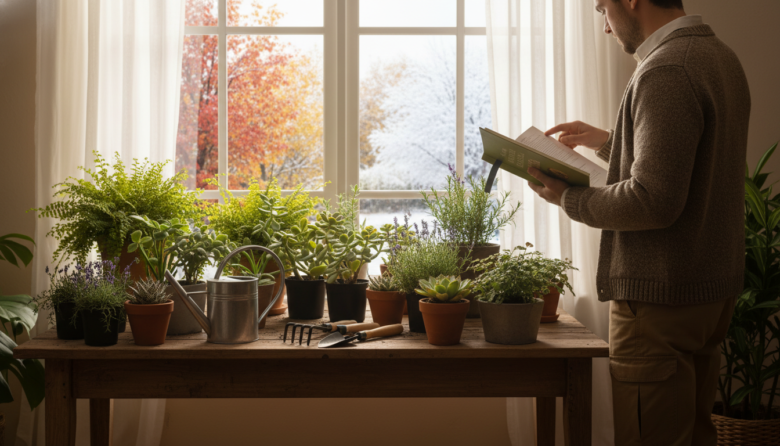
Your indoor greenery lives in a world that shifts with the calendar. Even inside your home, daylight hours, temperature, and humidity levels change throughout the year. These environmental shifts signal your plants to grow, rest, or prepare for new phases.
Understanding these natural rhythms is the key to keeping your leafy companions thriving. Making simple modifications to your routine prevents stress and promotes vibrant health. This approach works for all types of greenery, from sturdy succulents to delicate tropical varieties.
This guide will walk you through the specific changes needed for spring, summer, fall, and winter. You’ll learn how to adapt watering, lighting, and feeding schedules with confidence. Successful plant care isn’t about strict rules but about observing and responding to your green friends’ needs.
Key Takeaways
- Indoor plants respond to changes in light, temperature, and humidity throughout the year.
- Adapting your routine prevents common problems and keeps plants healthy.
- Different seasons require specific modifications to watering and feeding.
- This approach works for both easy-care and more demanding plant species.
- Observation is more important than following rigid schedules.
- Simple changes can lead to a flourishing indoor garden all year long.
Introduction to Seasonal Plant Care Adjustments
The world inside your home may seem constant, but your greenery responds to subtle environmental shifts throughout the year. Even though your houseplants live indoors, they sense changes in daylight, temperature, and humidity. These cues trigger natural growth patterns that affect their requirements.
Why Seasonal Changes Matter for Your Plants
Your indoor environment transforms with each season. Heating systems dry winter air while summer brings longer daylight hours. These fluctuations impact how your green companions grow and what they need from you.
Understanding these rhythms lets you work with nature rather than against it. This approach leads to healthier growth and fewer problems. Small modifications prevent stress and keep your collection thriving.
An Overview of the Annual Care Cycle
Throughout the year, your greenery experiences active growth phases and rest periods. During spring and summer, they need more water and nutrients. In fall and winter, their requirements decrease as growth slows.
This framework applies to all types of indoor greenery. From low-maintenance varieties to tropical beauties, seasonal awareness ensures you provide exactly what they need when they need it. The following sections will detail specific modifications for each part of the year.
Understanding Seasonal Changes and Their Impact on Indoor Plants
The environment surrounding your houseplants transforms quietly but significantly throughout the year. These subtle shifts trigger natural responses in your green companions that affect their needs and behavior.
Natural Growth Cycles and Dormancy
Most indoor greenery follows predictable patterns of active growth and rest. During spring and summer, you’ll notice increased vigor as daylight lengthens. This active phase brings faster water uptake and visible new growth.
When fall arrives, shorter days signal your plants to slow down. Winter brings a natural dormancy period where growth nearly stops. This rest phase is healthy—trying to force growth during this time can actually stress your plants.
How Temperature, Light, and Humidity Influence Plants
Three key factors work together to shape your plants’ yearly rhythm. Light availability drives photosynthesis, while temperature affects metabolic rates. Humidity levels impact water loss through leaves.
Your indoor conditions fluctuate with heating and cooling systems. Understanding how these elements interact helps you anticipate changing needs. This knowledge prevents problems before they start.
Spring Care: Reviving Growth and Repotting
As winter fades, your indoor greenery senses the arrival of longer days and warmer temperatures. This period marks a significant shift from dormancy to active development. Your green companions will show clear signs of renewed vitality.
Recognizing New Growth and Adjusting Watering
Look for emerging leaves and increased vigor as clear indicators of spring activity. These changes signal it’s time to modify your routine. Plants entering their active phase need more frequent hydration.
Check soil moisture more often during this time. What required watering every 10 days in winter might now need attention every 5-7 days. This adjustment supports healthy development without overhydration.
Repotting and Fertilizing for a Fresh Start
Spring offers the perfect opportunity for repotting root-bound specimens. They recover quickly from transplanting when entering their growth phase. Choose quality potting mix suited to your greenery’s needs.
Resume fertilizer applications with half-strength solutions. Gradually increase to full strength by late spring. Most houseplants benefit from feeding every 2-3 weeks during this active period.
This is also an excellent time to introduce new plants to your collection. They’ll have the entire growing season to establish strong roots and thrive in their new environment.
Summer Care: Managing Watering and Pest Control
When summer arrives, your indoor collection enters its most active phase of the year. The long days and warm temperatures create ideal conditions for vigorous development. You’ll notice abundant new leaves and vibrant colors as your greenery thrives.
Increasing Water Frequency During Peak Growth
Summer heat accelerates soil drying significantly. Some specimens may need watering two to three times weekly. Always check moisture levels before adding water rather than following a fixed schedule.
Continue your fertilization routine from spring. Most greenery benefits from feeding every two to three weeks. Fast-growing varieties can handle weekly applications at half strength.
Strategies for Managing Pests and Intense Light
Warm weather increases pest activity. Check regularly for spider mites, aphids, and mealybugs. Inspect new growth and leaf undersides weekly for early detection.
Summer light is much stronger than spring conditions. Watch for sunburn signs like bleached spots or brown patches. Move sensitive specimens back from windows or use sheer curtains for protection.
Good air circulation helps manage heat stress. Use fans to prevent fungal issues, especially in humid conditions. Avoid placing greenery directly in air conditioning vents.
Fall Care: Adjusting Watering, Light, and Humidity
Autumn brings a quiet transformation to your indoor garden as daylight fades and temperatures drop. This transitional period signals your greenery to slow their growth and prepare for winter. Making the right modifications now ensures they enter dormancy healthy and strong.
Reducing Watering Frequency to Prevent Root Rot
As growth slows in fall, your plants need less water than during summer’s active phase. Extend the time between watering sessions significantly. What required water twice weekly might now need attention only once.
Always check soil moisture before adding water. This prevents root rot in cooler conditions. Also begin tapering fertilizer applications. By late fall, most specimens should receive nutrients monthly or not at all.
Modifying Light Placement and Enhancing Humidity
The sun’s angle changes dramatically during fall. You may need to move plants closer to windows for adequate light. What provided perfect indirect light in summer might become too dim.
When heating systems activate, indoor humidity plummets. This challenges tropical varieties especially. Boost humidity levels by grouping plants together or using pebble trays.
Clean leaves regularly to maximize light absorption during darker months. Wipe them gently with a damp cloth for optimal photosynthesis.
Winter Care: Nurturing Dormant Houseplants
Winter transforms your indoor garden into a peaceful resting space. Most houseplants enter a natural dormancy period during these colder months. Shorter days and lower light levels signal your green companions to slow their growth.
Techniques for Minimal Watering and Fertilizing
The most common mistake is overwatering dormant plants. Soil stays moist much longer in winter. Many specimens need less hydration—sometimes only every 2-3 weeks.
Always check soil moisture several inches down before watering. This prevents root rot, which harms more plants in winter than any other issue. Give them less water than during active seasons.
Most greenery doesn’t require fertilizer during dormancy. If you choose to feed, use quarter-strength solution once monthly. This avoids salt buildup in the soil.
Maintaining Adequate Indoor Humidity and Light
Heating systems create desert-like conditions indoors. Maintain humidity levels between 40-60% for tropical varieties. Grouping plants together helps preserve moisture.
Move your collection closer to windows without touching cold glass. Clean windows regularly to maximize light transmission. Consider supplemental grow lights for light-hungry varieties.
Keep greenery away from drafts, vents, and radiators. Dry air from heating systems can attract pests like spider mites. Check your plants weekly and address issues promptly.
Seasonal Plant Care Adjustments: A How-To Guide
Building confidence in modifying your indoor garden’s maintenance starts with clear, actionable steps. This practical approach helps you respond effectively as conditions change throughout the year.
Step-by-Step Adjustments for Each Season
Begin each transition period by observing your greenery’s behavior. Look for signs like slowed growth or increased thirst. These indicators signal when to modify your approach.
Mastering soil moisture assessment is crucial. Use the finger test—insert it two inches deep. Dry soil means hydration is needed. Alternatively, lift pots to feel their weight.
Create a simple routine that evolves naturally. Track changes on a calendar or set phone reminders. Gradual modifications prevent stress and support healthy development.
Reduce watering frequency slowly over two weeks when seasons change. Taper fertilizer applications similarly. This gentle transition helps specimens adapt without shock.
Your personalized approach will develop over time. Notice how different varieties respond to modifications. This knowledge empowers you to customize future adjustments.
Special Considerations by Plant Type
Not all your leafy companions follow the same annual rhythm or have identical requirements. Understanding these differences helps you provide the right support throughout the year.
Caring for Tropical Plants vs. Succulents and Cacti
Tropical varieties like Philodendron Jose Buono and ferns need consistent warmth and moisture. They show dramatic changes in their growth patterns as seasons shift.
Maintain humidity above 50% even in winter. Reduce watering frequency but never let soil completely dry out. Protect them from temperatures below 60°F.
Desert dwellers like cacti have opposite needs. They prefer cooler, drier winter periods that may trigger blooming. Water very sparingly during cold months.
Adjusting for Flowering and Low-Light Tolerant Varieties
Flowering plants often need specific conditions to bloom successfully. Many require a cool, dry rest period to set buds for the next cycle.
Use bloom-boosting fertilizer formulas during bud formation. Provide adequate light for flower production throughout the year.
Low light tolerant varieties like Snake Plants are more forgiving. They benefit from minimal watering in colder months and can skip feeding during dormancy.
Creating a Personalized Seasonal Care Checklist
Developing customized lists helps you track exactly what each of your leafy friends requires. These personalized guides become your roadmap for successful indoor gardening throughout the year.
A well-organized checklist ensures your green companions receive proper attention as conditions change. This approach prevents overlooked tasks and keeps your collection thriving.
Tailoring Checklists for Specific Plant Needs
Every species has unique requirements for light, moisture, and nutrients. Your checklist should reflect these individual plants need rather than treating all specimens the same.
Consider creating separate sections for different types in your collection. Tropical varieties might need consistent humidity monitoring. Desert dwellers require minimal watering during cooler months.
Divide your guide into spring, summer, fall, and winter sections. This makes it easy to modify your care routine based on the current season. Include essential tasks for each period.
Key items to track include watering frequency changes, light exposure monitoring, and pest inspections. Add reminders for specific fertilizer schedules or repotting needs.
Customize your list with personal notes about each plant‘s preferences. Set phone reminders for transition times between seasons. This system removes guesswork and builds confidence in your routine.
Your personalized checklist ensures all your houseplants receive what they need at the right time. It’s the perfect tool for maintaining healthy, happy greenery year-round.
Avoiding Common Seasonal Plant Care Mistakes
According to the University of Missouri Extension, improper hydration is the leading cause of injury or death for indoor greenery. Knowing the most frequent errors can save your leafy friends from unnecessary stress.
Many well-intentioned actions can actually harm your collection. Let’s explore how to steer clear of these pitfalls.
Overwatering, Over-Fertilizing, and Repotting Pitfalls
The number one mistake in both fall and winter is giving your plants too much water. Soggy soil combined with low light creates perfect conditions for root rot.
Dormant plants in winter truly need less water. What feels like neglect is actually proper cold-weather maintenance. Always check that your pots have adequate drainage holes.
Feeding your greenery when it’s not actively growing is another common error. This causes harmful salt buildup from the fertilizer that can damage roots. Save nutrients for periods of active growth.
Repotting in fall or winter stresses your plants when they are least able to recover. Always wait for spring when new growth helps them establish quickly.
Don’t ignore low humidity in winter. Heating systems create desert-like air that stresses tropical varieties. Address crispy leaf tips promptly to keep your plants healthy.
Essential Tools for Tracking Plant Health and Adjustments
Simple, inexpensive gadgets can dramatically improve your plant maintenance routine. They provide accurate data, taking the guesswork out of your decisions. This leads to healthier greenery and more confidence for you.
Start by keeping a simple journal. Note watering dates and fertilizer applications. Record observations about new growth or changes. Over time, this log becomes a personalized guide for your specific collection.
Utilizing Moisture Meters, Hygrometers, and Journals
A moisture meter is a game-changer. It is especially helpful in winter. It’s hard to judge soil moisture by feel alone during colder months.
Insert the probe several inches deep to check soil at the root level. This prevents overwatering, a common mistake. Always check soil moisture before adding water.
An inexpensive hygrometer tracks humidity levels in your home. Most houseplants thrive between 40-60% moisture in the air. Tropical varieties need higher humidity levels.
Use your phone calendar to set reminders. Schedule alerts for key transitions. Examples include “Start fertilizing” in March or “Reduce watering” in October. This ensures you act at the right time.
Optimizing Indoor Environments: Lighting, Air Circulation, and Growth
Creating the perfect indoor environment for your greenery involves more than just watering. Many houseplants struggle during shorter days when natural light diminishes. University experts note that mid-day window light measures only about 1,000 foot-candles—far below what sun-loving specimens need.
When your specimens stretch toward windows or lose vibrant color, they’re signaling inadequate light conditions. This isn’t a mysterious disease but a clear environmental issue. Supplemental lighting becomes essential for maintaining healthy growth throughout the year.
Choosing the Right Grow Lights and Setting Timers
Full-spectrum LED lights mimic natural sunlight effectively. They help indoor plants maintain proper coloration and development. Position these lights 8-12 inches above foliage for optimal results.
Most houseplants benefit from 12-14 hours of daily light exposure. Use an automatic timer to maintain consistent schedules. Never run lights 24/7—all greenery requires dark rest periods.
Watch for these key indicators to adjust your lighting setup:
- Pale, stretched leaves mean lights should be closer or more intense
- Browned leaf tips suggest moving lights farther away
- Dropping foliage indicates insufficient light duration
Good air circulation prevents fungal issues and helps manage temperature stress. Use oscillating fans to keep air moving gently around your indoor garden. Avoid placing greenery directly in heating or cooling vents for healthiest conditions.
Conclusion
The true art of keeping houseplants healthy lies in adapting to their evolving requirements. This approach transforms you from simply following instructions to understanding your green companions’ unique language.
Remember that successful plant care isn’t about rigid schedules. It’s about observing growth patterns and responding to what your plants need at different times. The most thriving indoor gardens belong to those who work with nature’s rhythms.
Don’t hesitate to experiment with your routine based on your specific home conditions. Small changes made at the right time create significant differences in your houseplants’ health and longevity.
This comprehensive guide provides the foundation, but your ongoing observation completes the picture. Pay attention to signals like new leaf development or changes in color. These clues tell you exactly when to modify your approach.
Start with one or two simple modifications and build confidence as you see positive results. Your journey toward becoming a proactive plant parent begins with attentive care and flexible thinking.