Welcome to the wonderful journey of becoming a plant parent! Many people feel overwhelmed when they first start nurturing greenery in their living spaces. The good news is that you don’t need special training or years of practice to succeed.
Expert Darryl Cheng emphasizes that understanding your environment and staying engaged with your green companions form the foundation of success. This guide will walk you through straightforward, effective habits that stop common mistakes before they cause problems.
Let’s set realistic expectations right away. Your leafy friends won’t always look like magazine cover models. They might have occasional struggles, but with the right approach, most issues can be prevented or corrected.
Successful greenery maintenance is about creating sustainable routines rather than chasing perfection. This makes it manageable even for people with packed schedules. You’ll learn how to assess your indoor conditions and establish consistent practices that keep your plants thriving long-term.
This friendly guide builds confidence and helps you develop your green thumb naturally. We focus on practical steps that make plant parenting enjoyable rather than stressful.
Key Takeaways
- You don’t need advanced knowledge to successfully grow plants at home
- Understanding your specific environment is more important than complex techniques
- Simple, consistent habits prevent most common plant problems
- Realistic expectations help you enjoy the process without pressure
- Sustainable routines work better than perfect occasional care
- This guide focuses on building confidence through practical steps
- Active engagement with your plants leads to long-term success
Understanding Your Indoor Environment
Before selecting any new additions, take time to evaluate your indoor climate thoroughly. Your living space has unique characteristics that directly impact greenery success.
Assessing Light, Temperature, and Humidity
Start by observing your home’s natural light patterns throughout the day. Notice which windows receive direct morning sun versus bright indirect light. Proper sunlight exposure is crucial for healthy growth.
Check temperature stability in different areas. Most greenery struggles when temperatures drop below 60°F. Avoid placing specimens near drafty windows during cold months.
Evaluate humidity levels in your space. Many varieties thrive in 40-70% humidity ranges. Dry air conditions may require adjustments or specific species selection.
Creating a Suitable Microclimate
Group specimens with similar needs together to create ideal microclimates. This approach helps maintain consistent conditions for each group.
Use simple tools like humidifiers in dry spaces. Adjust window treatments to control light intensity. These small changes make significant differences.
Monitor your environment for several weeks before making selections. This helps you understand seasonal variations in temperature, humidity, and sunlight patterns.
Choosing the Right Plant for Your Home
Your first step toward green thumb success is picking resilient varieties suited to your home. Selecting sturdy greenery that forgives occasional mistakes sets you up for victory instead of frustration.
This initial choice is more important than any fancy technique. It builds confidence from day one.
Popular Low-Maintenance Houseplants
Several fantastic options are perfect for starting your collection. The Spider Plant offers cascading foliage and thrives in bright, indirect light.
Pothos is an excellent choice for its adaptability. These quick-growing trailers tolerate various light and humidity conditions.
For truly tough specimens, consider the ZZ Plant or Cast Iron Plant. They handle different light levels and prefer their soil to dry out between waterings, making them virtually carefree.
Factors to Consider When Selecting a Plant
Think about your specific conditions before buying. Assess the available light in your space and your typical schedule for watering.
Also, consider the room you have for growth and whether you have pets or children. Matching a plant’s needs to your environment is the secret to easy maintenance.
Start with just one or two easy varieties. This lets you learn basic requirements without feeling overwhelmed as you expand your indoor oasis.
Practical Tips for plant care for beginners with limited experience
Expert Darryl Cheng offers a refreshingly straightforward approach to indoor gardening. His philosophy centers on three core principles: understand your environment, actively engage with your greenery, and let nature take its course.
Active engagement doesn’t mean buying expensive tools or constant worrying. It means learning to interpret what your greenery needs through simple observation.
Different types of greenery communicate their needs in unique ways. Part of the learning process involves recognizing when specimens signal thirst, light stress, or other issues.
Establish simple observation habits like checking soil moisture before watering. Notice changes in leaf color or texture. Track how quickly your pots dry out between waterings.
Keep basic notes or use gardening apps to track schedules and observations. Your greenery needs consistency but also flexibility. Adjust your routine based on seasons, growth stages, and individual responses.
Remember that mistakes are natural learning opportunities. Most specimens recover well from minor mishaps when corrected promptly. This practical way of thinking builds confidence through experience.
Watering Guidelines for Thriving Plants
Understanding when and how to provide water creates the foundation for long-term plant health. Forget rigid schedules that don’t account for changing conditions. Instead, focus on reading your greenery’s actual needs through simple observation techniques.
When and How to Water Your Plants
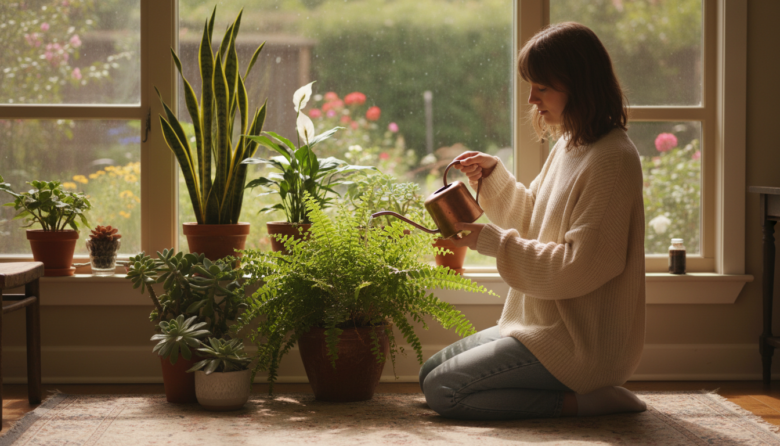
Different types have distinct hydration preferences. Thirsty varieties like ferns prefer consistently damp soil. Desert specimens need almost crusty dry conditions before watering. Most houseplants fall in the middle category.
Check moisture by observing when topsoil becomes lighter in color but still feels soft. The chopstick test works wonderfully. Insert it several inches deep like testing a cake. If it goes in easily with few crumbs, it’s time for water.
When unsure, wait rather than water. Most greenery recovers better from slight drought than from waterlogged roots. This approach prevents more problems than it creates.
Preventing Overwatering and Root Rot
Proper technique matters as much as timing. Water slowly and thoroughly until moisture seeps from drainage holes. This ensures the entire root system gets hydrated rather than just surface wetness.
Always use containers with drainage holes. Never let your greenery sit in standing water. Empty saucers within 30 minutes after watering. These simple habits protect roots from rot caused by excess moisture.
Adjust your watering frequency with seasonal changes. Growth slows in winter, requiring less hydration. Active spring and summer periods typically need more frequent attention to plant needs.
Soil and Nutrient Management
The foundation of healthy indoor greenery lies beneath the surface in the soil composition. Your growing medium acts as both anchor and nutrient source for your specimens.
Selecting the Best Potting Soil
Well-draining soil prevents water from pooling at container bottoms. This drainage is essential for preventing root rot. Most houseplants like Monstera and Aglaonema thrive in these mixes.
Good potting soil typically contains peat moss for moisture retention. Perlite provides drainage and aeration. Some mixes include bark or compost for extra nutrients.
Different varieties have specific soil preferences. Succulents need fast-draining mixes with extra sand. Tropical specimens prefer richer soil with more organic matter.
Fertilizer and Nutrient Tips
Fertilizer needs vary significantly by plant type. Nutrient-efficient varieties like aloe require very little feeding. They evolved in nutrient-poor conditions.
Actively growing tropical specimens benefit from regular feeding. Use diluted liquid fertilizer every 2-4 weeks during spring and summer growth periods.
Start with balanced, water-soluble fertilizer at half strength. This prevents over-fertilizing that can damage roots. Some varieties like Dracaena need little or no fertilizer at all.
Light Requirements and Indoor Placement
Getting the lighting right is perhaps the most critical factor in keeping your indoor greenery healthy and vibrant. Different specimens have specific needs that must be met for optimal growth.
Understanding light conditions prevents common problems before they start. The wrong intensity can stress your greenery quickly.
Direct Versus Indirect Light Conditions
Direct sunlight means rays hit leaves straight on, typically in south or west-facing windows. Bright indirect light is filtered through curtains or bounces off surfaces first.
Too much direct sun causes leaf burn, while insufficient light leads to weak growth. East-facing windows provide gentle morning light that’s ideal for many varieties.
Locate bright indirect spots a few feet back from south or west windows. The light remains intense without directly striking leaves.
These specimens thrive in bright conditions:
- Spider Plants for cascading foliage
- Peace Lilies that produce abundant flowers
- Fiddle Leaf Figs with their large leaves
- String of Pearls with trailing stems
Some varieties like Kalanchoe Flapjack benefit from direct sun exposure. It enhances their pinkish-red leaf edges.
Be cautious with Pothos and Fiddle Leaf Figs in direct afternoon sun. Harsh rays can damage delicate leaves quickly.
Adjust placement seasonally since winter sun is less intense than summer. Move specimens slightly farther from windows during peak months.
Sheer curtains effectively diffuse intense direct sunlight. They create the bright indirect conditions many specimens prefer.
Humidity and Temperature Considerations
Many common household varieties originate from tropical climates, making indoor air quality crucial. Fortunately, their preferred temperature range of 60-85°F aligns well with comfortable home conditions throughout most months.
Sudden fluctuations can cause stress. Sensitive types, like the rubber plant, react poorly to drafts from air conditioning or open windows during winter.
Humidity is equally important for tropical specimens. Money Trees and Boston Ferns evolved in humid rainforests and struggle when indoor air becomes too dry. This is especially true in winter when heating systems run.
While misting leaves is popular, it doesn’t make an appreciable difference for most varieties like the prayer plant. A room humidifier provides much more effective and consistent moisture.
You can also group specimens together to create a beneficial microclimate. Placing pots on pebble trays with water or positioning them in naturally humid rooms like bathrooms are great alternatives.
Protect your greenery from temperature extremes. Even brief exposure to freezing air near a cold window can cause permanent damage to tropical trees. Monitoring your home with a simple thermometer helps you find the ideal spots.
Recognizing Plant Signals and Troubleshooting Issues
Your indoor specimens communicate their needs through visible changes in appearance and growth patterns. Learning to interpret these signals transforms maintenance from guesswork to confident care.
Identifying Signs of Stress or Disease
Yellowing lower leaves on varieties like Money Tree often indicate natural aging as new growth emerges. This process is completely normal and requires no intervention.
Overwatering typically causes root damage that manifests as unsightly spots on foliage. Affected leaves eventually yellow and drop from the stems. Direct sunlight can create brown, crispy patches on delicate leaf surfaces.
Some specimens like Schismatoglottis wallichii visibly wilt when drying out. This helpful signal reminds you to check moisture levels on other greenery. Aerial roots on Swiss Cheese Plant are natural adaptations you can trim for aesthetics.
Simple Remedies for Daily Plant Issues
Move specimens away from direct sun if leaves show burn marks. Reduce watering frequency when foliage yellows and drops. Increase light exposure if growth becomes leggy with large gaps between leaves.
Remember that Jade specimens have brittle leaves despite their sturdy appearance. Keep them away from high-traffic areas. Use the chopstick test to check soil moisture before watering.
Most issues respond well to simple adjustments when caught early. Peace Lily prefers slight underwatering over excessive moisture. Regular observation helps you catch problems before they escalate.
Leveraging Tools and Digital Resources
Technology can be your best ally when developing your indoor gardening skills. Digital tools provide helpful guidance while you build confidence with your green companions.
Using Apps and Tools for Plant Monitoring
The Planta app stands out as an excellent resource for newcomers. It offers practical features like a built-in light meter to measure actual conditions in your home.
This application helps create personalized watering schedules based on your specific plants and environment. You can catalog your collection and receive customized reminders for watering and fertilizing.
Light meter features take the guesswork out of placement decisions. They objectively measure whether a spot provides low, medium, or bright light. This ensures your greenery gets the proper exposure.
Start with app reminders as training wheels, then gradually learn to read your plants’ signals. Online communities and identification apps offer additional support.
Remember that these tools work best when combined with active observation. They serve as guides rather than replacements for developing your intuition over time.
Establishing a Consistent Plant Care Routine
Building reliable habits transforms plant maintenance from a chore into a natural rhythm. This predictable pattern helps you stay on top of watering, fertilizing, and other essential tasks.
A good routine doesn’t mean rigid daily schedules. Instead, develop regular habits like checking your greenery on the same day each week. Observe soil moisture levels and note which specimens dry out faster.
Set aside dedicated time each week for these activities. Designate a specific morning for watering rounds. Schedule monthly sessions for fertilizing during growing seasons.
Tracking your activities helps identify patterns over time. Use journal notes, calendar reminders, or gardening apps. This way you learn how often each variety needs hydration.
Annual maintenance becomes part of your rhythm. Fast-growing spider plants need repotting every year or two. This happens when roots completely fill their containers.
Consistent attention compounds over time. Well-established money trees can thrive for nearly seven years with proper care. Your regular attention creates ideal growing conditions.
Start with simple routines you can actually maintain. Build complexity gradually as confidence grows. Consistency matters more than perfection in the long run.
Incorporating Indoor Plants into Your Home Decor
Integrating plants into your home’s aesthetic brings both visual appeal and natural vitality. This approach serves dual purposes, adding living beauty to your space while improving air quality.
Styling Tips for a Greener Home
Choose greenery that complements your home’s style. The Philodendron name covers varieties with diverse colors, sizes, and leaf shapes suitable for any decor.
Consider growth habits when styling. Compact specimens like cast iron plant work well on end tables and bookshelves. Vining forms can trail from containers or climb trellises.
Hanging plants add vertical interest. Spider plant’s cascading foliage suits baskets beautifully. String of Pearls resembles an elegant necklace draping from elevated planters.
Plan for mature size when selecting plants. Monstera Deliciosa needs substantial room to grow, much like St. Bernard puppies become large dogs.
Create groupings at different heights using stands and shelves. This adds dimension while maximizing limited floor space in your home.
Consider practical placement for both plant health and functionality. Avoid high-traffic areas where specimens might get bumped. Ensure trailing vines won’t interfere with walkways.
Experiment with decorative pots that reflect your personal style. Choose containers with proper drainage or ones that accommodate nested nursery pots for easy maintenance.
Seasonal Adjustments in Plant Care
Your indoor greenery responds to seasonal shifts just like outdoor gardens do. Even inside your home, these natural cycles affect how your specimens grow and what they need.
Understanding these patterns helps you provide better support throughout the year. It prevents stress and keeps your collection thriving.
Adapting Routine Care for Winter and Summer
During colder months, most houseplants enter a resting phase. Growth slows significantly as daylight hours shorten.
Reduce watering frequency in winter when soil takes longer to dry. Hold back on fertilizer during these quiet months.
Summer brings active growth periods requiring more attention. Increase watering as pots dry out faster in warm conditions.
Sunlight intensity changes dramatically between seasons. Winter sun is much weaker than summer rays.
Move light-sensitive specimens farther from windows during peak summer months. This prevents leaf burn from intense afternoon sun.
Consider these seasonal adjustments:
- Mist peace lily leaves often in summer for glossy appearance
- Transition jade plants outdoors during warmer months
- Use humidifiers when winter heating dries indoor air
- Resume fertilizing every 2-4 weeks during spring growth
Observe how your specific plants respond over time. Take notes about changing needs during seasonal transitions.
Expert Insights on Houseplant Success
Professional plant educators offer invaluable perspectives that transform how we approach home gardening. Their collective wisdom provides practical shortcuts to cultivating healthy indoor greenery.
Advice from Plant Educators and Horticulturists
Paris Lalicata brings a self-taught approach to her role at The Sill. Her indoor garden of over 200 specimens demonstrates hands-on learning. She makes plant care more digestible for new enthusiasts.
Darryl Cheng applies scientific thinking through his House Plant Journal. His background in human biology informs a unique analytical method. This approach helps people understand their greenery’s specific needs.
Summer Rayne Oakes encourages embracing imperfection in her book “How to Make a Plant Love You.” She reminds us that occasional ragged appearances are natural. This philosophy reduces pressure on new gardeners.
Justin Hancock shares commercial growing insights from Costa Farms. His guidance comes from experience with thousands of varieties. These experts consistently emphasize understanding your environment.
Follow their social channels and books for ongoing learning. Their collective advice builds confidence beyond basic care routines.
Profiles of Low-Maintenance Plant Varieties
Discovering resilient plant varieties can transform your indoor gardening experience from stressful to successful. These forgiving types build confidence through their ability to thrive despite occasional mistakes.
Case Studies from Successful Plant Parents
The Monstera species, also known by the name Swiss cheese plant, adapts well to various light conditions. Its dramatic split leaves make a bold statement in any room.
Pothos varieties offer incredible versatility with their heart-shaped foliage. These quick-growing plants create lush displays that trail beautifully from shelves.
Philodendron species come in a dazzling array of colors and forms. This diverse genus makes it easy to find plants that complement your home’s aesthetic.
Chinese evergreen stands out for its vibrant leaf patterns and compact growth. This slow-growing variety fits perfectly in smaller spaces.
Many beginners start with nearly indestructible options like the ZZ plant and cast iron plant. These tough plants survive in almost any indoor environment.
The snake plant tolerates low light and irregular watering schedules. Its upright growth pattern adds architectural interest to your garden space.
Successful plant parents often begin their collections with these forgiving varieties. Early successes build the confidence needed to expand to more challenging plants over time.
Troubleshooting Common Plant Care Challenges
Even the most attentive indoor gardeners encounter occasional challenges with their living decor. Learning to identify and address these issues quickly keeps your collection thriving.
While overwatering gets much attention, insufficient light exposure often causes more problems. If your greenery struggles, check sunlight levels before adjusting watering routines.
Managing Pests, Overwatering, and Temperature Shifts
Overwatering shows through constantly wet soil and yellow, mushy leaves. Ensure containers have proper drainage holes. Let the soil dry between hydration sessions.
Common pests include:
- Mealybugs appearing as white cottony clusters
- Spider mites creating tiny webs on leaves
- Fungus gnats flying around moist soil
Treat infestations by wiping leaves with diluted soap. Increase air circulation around your indoor garden.
Yellow leaves can signal multiple issues. Overwatering makes them soft, while underwatering occurs with bone-dry soil. Natural aging affects only lower leaves.
Brown leaf tips often indicate dry air or mineral buildup from tap water. Use filtered water and increase humidity with pebble trays.
Leggy growth with wide gaps between leaves needs more direct or bright indirect sun. Move specimens closer to windows for compact development.
Temperature stress comes from cold drafts or heating vents. Relocate your greenery to stable areas away from air currents. This prevents unnecessary stress on your plants.
Conclusion
Growing your indoor garden is a journey of learning and connection with nature. You don’t need special training to succeed with your green companions.
The simple habits we’ve covered create a strong foundation. Understanding your environment and choosing the right specimens prevents most problems.
Start with one or two forgiving houseplants to build confidence. Your skills will grow alongside your collection over time.
Remember that mistakes are natural learning opportunities. Most greenery recovers well when you adjust your approach. They communicate their needs through visible signals.
Your plants won’t look perfect every day of the year. Focus on overall health rather than magazine-ready appearances. This mindset reduces pressure.
Continue learning through expert resources and careful observation. Your green companions will teach you what they need on your side of the relationship.
Developing your green thumb brings nature indoors and improves your living space. It’s a rewarding choice that grows more satisfying each year.